
Who Should Source Custom Apparel Tags for Wholesale Distribution?
Custom apparel tags are primarily sourced by wholesalers, garment manufacturers, private-label brands, and fashion distributors who require consistent branding across large product volumes. Buyers placing orders of 500 pcs or more typically seek standardized specifications that can be reused across multiple collections, seasons, or client programs.
For these buyers, clothing tags custom solutions are not decorative extras but functional branding components that communicate product quality, care information, and brand positioning at the point of sale. Poorly produced tags can weaken brand perception, while professionally manufactured custom cloth labels reinforce credibility and resale value.
From a wholesale perspective, sourcing from a factory capable of repeat production ensures long-term cost control, specification stability, and supply continuity. This is especially important for buyers managing multiple SKUs or supplying downstream retailers who expect consistent presentation.
What Makes These Clothing Tags Suitable for Bulk Custom Orders?
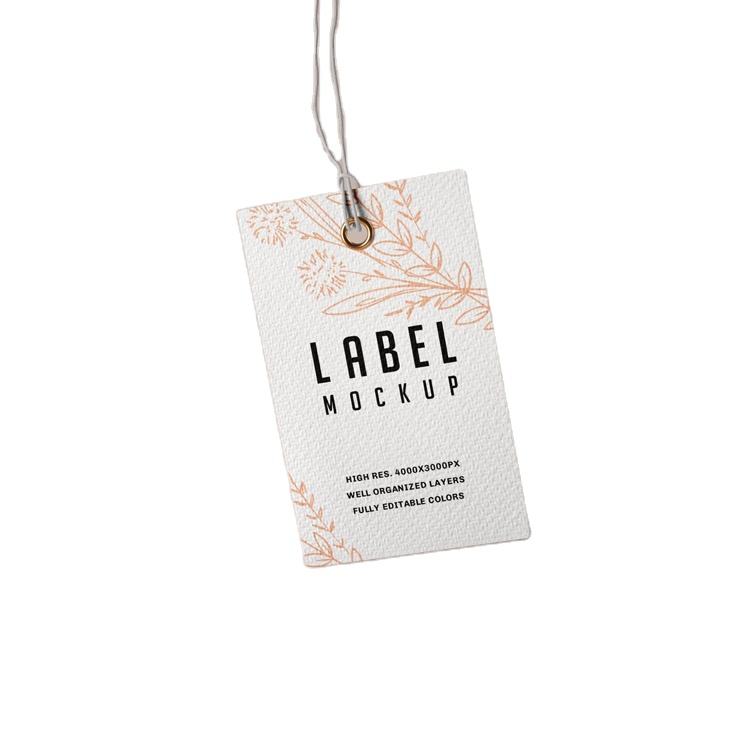
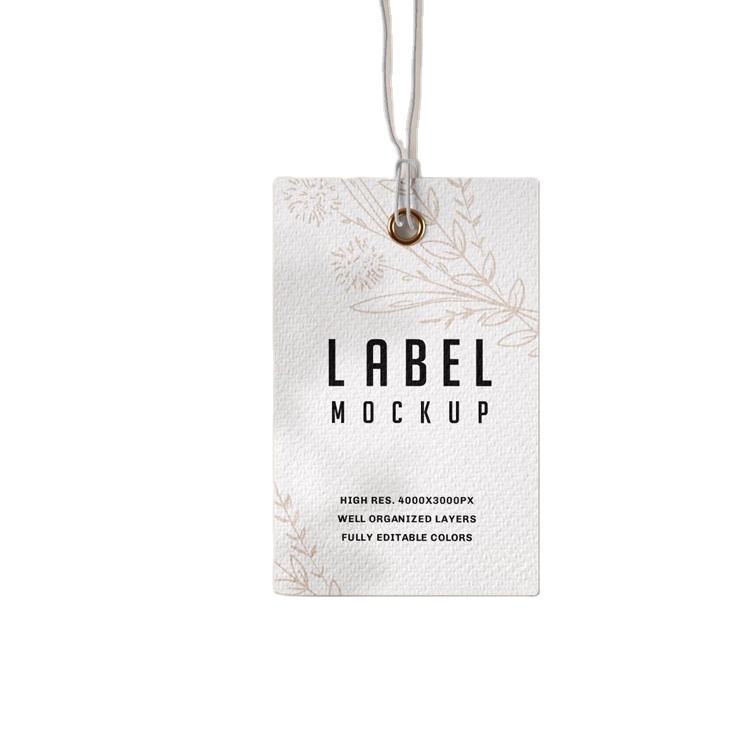
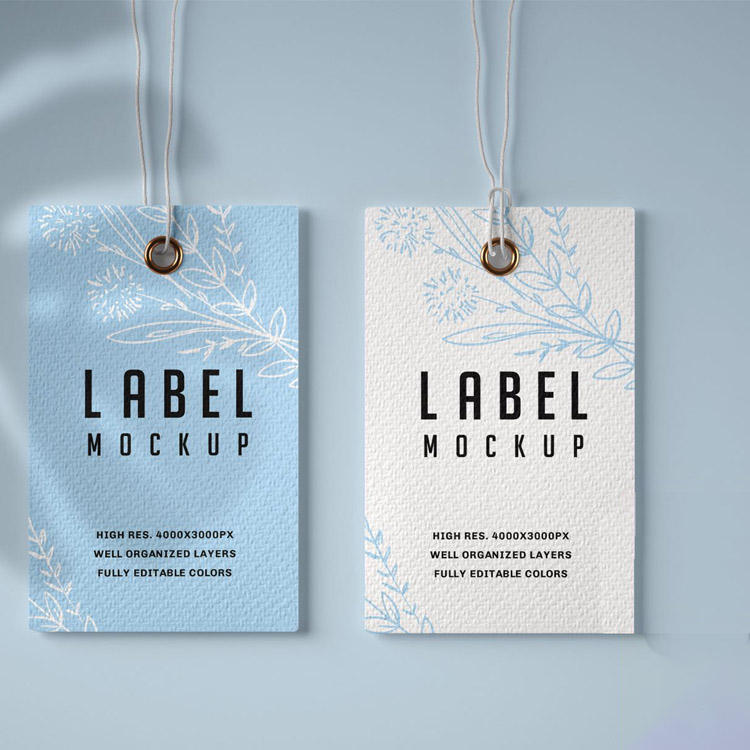
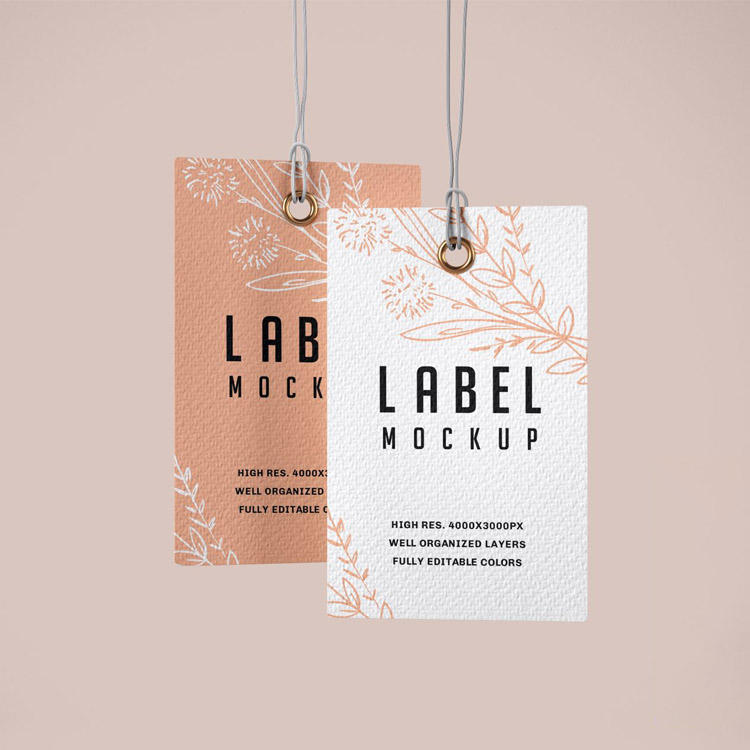
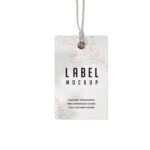
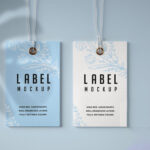
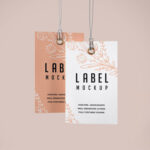
Our custom apparel tags are produced using thick 200–700gsm white cardboard or kraft paper, providing a premium tactile feel that aligns with mid- to high-end garment positioning. The material selection ensures durability during logistics handling, retail display, and customer interaction.
Offset printing with 4c+4c CMYK delivers sharp logo reproduction, accurate color matching, and clean typography, which are essential for brand recognition. Film lamination adds surface protection, reducing damage from moisture, friction, or repeated handling throughout the supply chain.
Unlike generic tags, these clothing tags custom are engineered for bulk manufacturing with controlled material sourcing and standardized workflows. This ensures every batch maintains identical quality, which is critical for wholesalers managing repeat orders and long-term resale programs.
Product Specifications
| Attribute | Details |
|---|---|
| Product Type | Label / Swing Tag |
| Material | 200–700gsm White Cardboard / Kraft Paper |
| Paper Type | Art Paper, Cardboard, Coated Paper, Fancy Paper, Offset Paper |
| Surface Finish | Film Lamination |
| Printing Type | Offset Printing |
| Color | 4c+4c CMYK |
| Size | Custom Size |
| Product Material | Paper & Paperboard |
| Industrial Use | Fashion, Gift, Clothing Labels |
| Sample Time | 3–4 Days |
| Shipping | Express / Sea Transportation |
| Payment | 50% Deposit |
When Is Bulk Production of Custom Cloth Labels Most Effective?
Bulk production of custom cloth labels is most effective when wholesalers plan ahead for seasonal launches, brand refreshes, or recurring garment supply cycles. Early commitment allows procurement teams to lock pricing, reserve production capacity, and avoid peak-season manufacturing delays.
Many professional buyers place orders several weeks or months in advance to align with fashion calendars, export schedules, or retail rollouts. This forward planning reduces cost volatility and ensures sufficient time for sampling, approval, and compliance checks.
For repeat customers, standardized custom apparel tags eliminate the need for redesign or re-approval, allowing faster reorders and smoother inventory replenishment. This efficiency is especially valuable for wholesalers supplying multiple brands or regional markets.
Where Are Custom Clothing Tags Manufactured and Controlled?
All clothing tags custom are manufactured within our factory-controlled production facility. Printing, lamination, cutting, inspection, and packing are managed under one roof to ensure timeline accuracy and consistent output.
This centralized manufacturing model minimizes the quality risks often associated with outsourced or multi-vendor production. Wholesalers benefit from direct communication, documented specifications, and predictable delivery performance.
Finished custom cloth labels are packed using export-grade materials to protect against bending, moisture, and surface damage during domestic or international transportation. This ensures goods arrive resale-ready without additional handling costs.
Why Do Wholesalers Prefer Factory-Direct Custom Apparel Tags?
Wholesalers prefer factory-direct custom apparel tags because they offer transparency, scalability, and repeatability. Instead of relying on intermediaries, buyers gain direct access to material options, production timelines, and technical guidance.
Cost control is a major driver. By producing clothing tags custom at scale, we optimize paper usage, print layouts, and finishing efficiency, reducing per-unit cost while preserving quality. This enables wholesalers to protect margins in competitive apparel markets.
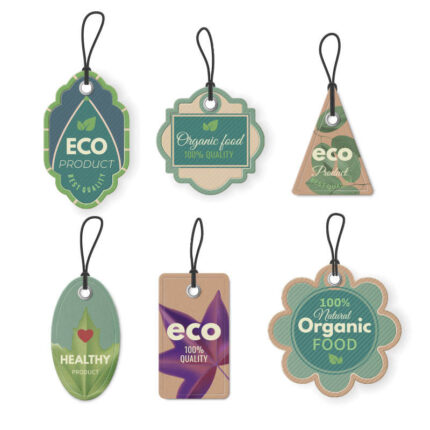
In addition, our use of eco-friendly paper materials supports sustainability requirements increasingly demanded by global retailers and institutional buyers. This makes our custom cloth labels suitable for brands operating under environmental compliance or ESG frameworks.
How Does the Custom Clothing Tag Production Process Work?
The process begins with artwork submission in AI, PDF, or similar professional formats. Our prepress team reviews layout accuracy, color profiles, and cutting tolerances to ensure designs are production-ready.
A physical sample is prepared within 3–4 days, allowing buyers to verify print clarity, paper thickness, and surface finish before approving mass production. This step significantly reduces revision risks for bulk custom apparel tags.
Once approved, production is scheduled according to order volume and delivery requirements. Quality inspections are conducted throughout printing, lamination, and cutting stages to ensure every clothing tag custom meets wholesale resale standards.
Request a Quote for Custom Clothing Tags
For wholesalers sourcing custom apparel tags in bulk quantities, we provide detailed quotations based on exact production parameters rather than generic price lists. This supports accurate cost forecasting and margin planning.
To receive a quotation, please share your estimated order quantity (500 pcs or more), preferred size, material selection, printing requirements, surface finish, and delivery timeline. These details allow us to optimize production efficiency for your custom cloth labels.
Our team will respond with a clear and fully itemized quotation outlining unit pricing at your requested order volume, sample development lead time, mass production scheduling, and available shipping solutions. The quotation will also include guidance on cost optimization for bulk orders and repeat programs. OEM and private-label support is fully available for wholesalers planning long-term branding, standardized specifications, and stable supply partnerships.
Order Now – Factory-Direct Custom Apparel Tags
Place your bulk order today with a professional manufacturer specializing in clothing tags custom, custom apparel tags, and scalable custom cloth label for wholesale distribution. Our factory-direct model is designed for repeat orders, stable specifications, and consistent supply.
We accept custom orders starting from 500 pcs, making this solution ideal for fashion wholesalers, garment factories, brand owners, and distributors managing ongoing inventory cycles. Every detail—from paper weight to printing finish—is controlled to meet commercial resale standards.
Contact our team now to begin sampling and secure reliable production for your next wholesale apparel labeling program.
FAQs
Q1: What is the minimum order quantity for custom clothing tags?
The standard MOQ for clothing tags custom orders is 500 pieces. This quantity allows efficient material utilization, stable production scheduling, and cost optimization suitable for wholesale and private-label sourcing.
Q2: Can the size, shape, and design of custom apparel tags be fully customized?
Yes. All custom apparel tags are produced to order, with full customization available for size, shape, paper thickness, artwork layout, and surface finish to meet specific brand and resale requirements.
Q3: What materials are available for custom cloth label and swing tags?
Our custom cloth label and paper swing tags are manufactured using 200–700gsm white cardboard or kraft paper, along with optional art paper, coated paper, and fancy paper to support different brand positioning and durability needs.
Q4: Which printing methods are used for clothing tags custom production?
We use professional offset printing with 4c+4c CMYK color systems to ensure accurate logo reproduction, sharp text, and consistent color matching across bulk custom apparel tags orders.
Q5: Are these custom clothing tags suitable for export and retail distribution?
Yes. All clothing tags custom are produced under factory-controlled quality systems and packed using export-grade protection, making them suitable for international shipping and professional retail environments.
Q6: How long does sample production take before mass manufacturing?
Sample production typically takes 3–4 working days. This allows wholesalers to verify material quality, printing accuracy, and finishing before approving full-scale custom cloth label production.
Q7: Can these custom apparel tags support eco-friendly or sustainable branding programs?
Yes. We offer recyclable and eco-friendly paper options for custom apparel tags, supporting sustainability initiatives and compliance requirements for environmentally conscious brands and wholesale buyers.
Q8: What surface finishing options are available for custom cloth label?
Available finishes include film lamination, embossing, debossing, hot stamping, and specialty coatings. These options allow wholesalers to enhance durability and elevate the visual impact of clothing tags custom.
Q9: How do you ensure consistency for repeat wholesale orders?
We maintain documented production specifications for each custom apparel tags project. This ensures future reorders match approved samples in material, printing, and finishing, supporting long-term wholesale supply stability.
Q10: What information is required to receive an accurate quotation?
To quote custom cloth label accurately, we recommend providing order quantity, tag size, material choice, printing details, surface finish, and target delivery timeline. This enables precise cost calculation and optimized production planning.