


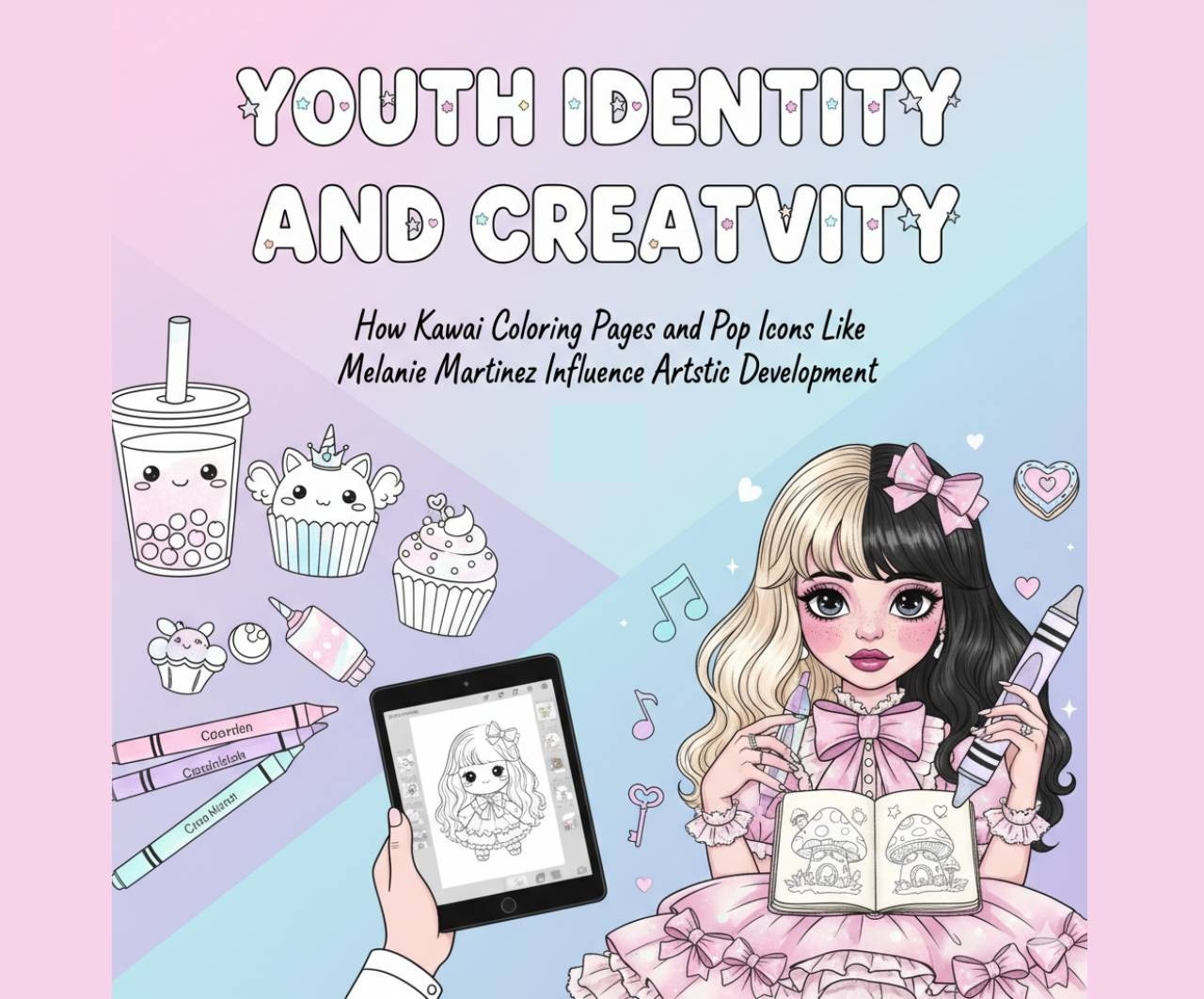
In the evolving landscape of youth culture, self-expression has taken on a multisensory, aesthetic-rich form—one that merges artistic creativity with pop identity. From Kawaii Coloring Pages featuring pastel palettes and kawaii faces to storytelling formats inspired by the brown bear book and seasonal activities found in an easter coloring book, today’s young minds are immersed in visual and emotional narratives that shape how they define themselves and their place in the world.
As coloring moves beyond basic motor-skill practice into a realm of personal storytelling and aesthetic exploration, OEM and wholesale providers have a timely opportunity to tap into a youth market driven by creativity, trend, and cultural connectivity. Know more..
The Aesthetic Lens: Kawaii Culture and Youth Imagination
The global influence of kawaii—the Japanese term for “cute”—has moved far beyond character merchandising. It’s now an entire aesthetic philosophy embraced by tweens, teens, and young adults who resonate with its expressive visuals and emotionally charged softness.
When translated into childrens colouring pages, kawaii themes often feature oversized eyes, pastel creatures, dreamy skies, and whimsical textures. These aren’t just art styles—they’re invitations into identity play, particularly for young users navigating selfhood, peer acceptance, and emotional regulation.
Children use these visual cues to express moods, attitudes, and internal worlds. Kawaii coloring pages don’t just develop technique—they encourage narrative-based drawing that externalizes feeling. Whether a child is filling in a teacup bunny or customizing a cloud bear, they are curating aesthetic choices that mirror their evolving sense of self.
The Power of Story Structure in Creative Development
Classic structured texts like the brown bear book serve as foundational tools in cognitive development and creative mimicry. Its repetitive phrasing and color/animal combinations build rhythm recognition, memory, and prediction—all key to narrative construction.
When combined with coloring content, the brown bear book transforms from a story into a creative platform. A child reading “Brown Bear, Brown Bear, What Do You See?” can then color their own version of the narrative, swap out animal characters, or reimagine the colors. The repetition becomes an artistic formula—structure with room for expansion.
OEM coloring packs built on classic narratives like this can serve dual purposes: educational reinforcement and imaginative extension. This strategy not only appeals to parents and educators seeking structured learning, but also meets the identity-exploring needs of young creators.
Pop Icon Influence: Melanie Martinez as an Aesthetic Gateway
Melanie Martinez, known for her hyper-feminine visuals and dark fairy tale narratives, is a modern pop icon whose influence seeps into youth expression—especially among older children and preteens. Her visual brand blends childlike motifs with emotional complexity, resonating deeply with youth navigating anxiety, self-doubt, or the social complexities of growing up.
Martinez’s stylized world (dolls, pastel blood, baby bottles turned metaphors) mirrors the creative duality many young people experience: the pull between innocence and rebellion, simplicity and sophistication. Incorporating elements of this style into childrens colouring pages (appropriately curated, of course) opens new avenues for youth to connect with content emotionally.
For example, a kawaii-inspired coloring sheet might include themes of dreamlands or emotional weather—clouds, tears, candy houses—fostering introspective play through non-verbal artistry. In these moments, coloring becomes therapy, identity sketchpad, and diary—all in one.
The Role of Seasonal and Holiday-Themed Content
Amidst the artistic exploration lies the comfort of routine—something children crave and rely on. That’s where products like an easter coloring book enter the educational equation. Holidays and seasons provide built-in structure and nostalgia, which are essential anchors in early identity formation.
Through easter coloring book activities, children engage with community symbols (bunnies, baskets, lilies) and interpret them through their own lens. This repetitive yet themed visual content allows kids to tie their artwork to shared experiences, encouraging them to balance personal creativity with social belonging.
Moreover, this opens a clear design strategy for OEM providers: release seasonally relevant, trend-informed content that incorporates youth-preferred aesthetics (e.g., pastel tones, kawaii characters) within a recognizable holiday format. Think kawaii egg hunts or soft-serve bunnies paired with gentle affirmations.
Emotional Development Through Themed Coloring
While early childhood development has always prioritized emotional literacy, today’s youth audiences are engaging in emotional storytelling younger and deeper than ever before. Themes of sadness, joy, anxiety, and wonder are being discussed through visual forms rather than language alone.
Coloring pages, particularly those echoing pop icon aesthetics or structured stories like the brown bear book, offer a nonverbal form of emotional processing. A child unsure how to say “I feel overwhelmed” might choose darker hues or expressive scribbles to signal that mood.
By offering highly expressive childrens colouring pages, we’re offering children the tools to build emotional intelligence in a way they naturally understand. The more options they have—holidays, animals, characters, dreamworlds—the more fluent they become in using art as emotional vocabulary.
Product Differentiation for OEM and Wholesalers
In a crowded educational and entertainment space, differentiation comes from relevance. OEMs looking to stand out must recognize that it’s not just about producing coloring content—it’s about producing the right content. Today’s buyers (schools, therapists, parents, digital retailers) want designs that reflect what kids are actually consuming and resonating with.
That’s where themed bundles—like a kawaii-inspired easter coloring book or a reinterpretation of the brown bear book using expressive pop imagery—become best-sellers. Bundling artistic, emotional, and cultural relevance into printables that match key calendar events is a smart seasonal strategy that aligns with modern parenting and educational priorities.
Customization is also key. Offering childrens colouring pages that can be co-branded, localized, or digitally formatted enhances reach and retention across platforms. Adding subtle interactivity—QR codes linking to animations, downloadable music, or printable sticker sheets—elevates perceived value and keeps users coming back.
From Coloring to Community
What’s often underestimated is the social value of coloring culture. Young people are increasingly building communities online—sharing their artwork, customizing templates, and creating entire Instagram feeds around themed coloring.
Pop culture icons like Melanie Martinez help normalize emotional storytelling, and kawaii culture provides a safe visual language to experiment with identity and style. Printable and sharable childrens colouring pages, especially when aligned with cultural trends, enable this community-building at a low barrier of entry.
OEM providers should consider social-integrated design—encouraging kids to share their Easter-themed creations, their reinterpretations of the brown bear book, or their Martinez-inspired mood characters under curated hashtags or in online classrooms.
Inclusivity and Neurodiverse Engagement
Inclusive design remains a crucial pillar for OEMs in educational product development. Coloring pages should reflect neurodiverse needs—offering simplified layouts, varied line thickness, and sensory-aware color palettes.
Kawaii aesthetics naturally lend themselves to this: simple shapes, minimal backgrounds, and repetitive structure support children with autism or ADHD. Similarly, emotional characters derived from pop iconography provide a gateway for children to identify their moods when words fail.
Designing an easter coloring book that includes emotional check-in eggs or “how I feel today” bunnies might seem playful—but to a neurodiverse child, that’s powerful communication.
Final Thoughts: Identity Through Art Is a Brand Opportunity
At its core, the intersection of coloring, youth culture, and identity is about giving children the tools to tell their stories in their own style. From the structured narrative of the brown bear book to the trend-setting visuals of Melanie Martinez, today’s young artists crave content that is equal parts emotional, creative, and socially informed.
As a wholesaler or OEM company, recognizing this shift means designing childrens colouring pages that aren’t just cute—but culturally, developmentally, and emotionally relevant. It means offering an easter coloring book that’s not only seasonal, but also self-reflective. It means partnering with what kids love, not just what adults approve.
Because in every crayon stroke lies a world of identity waiting to be colored in.