


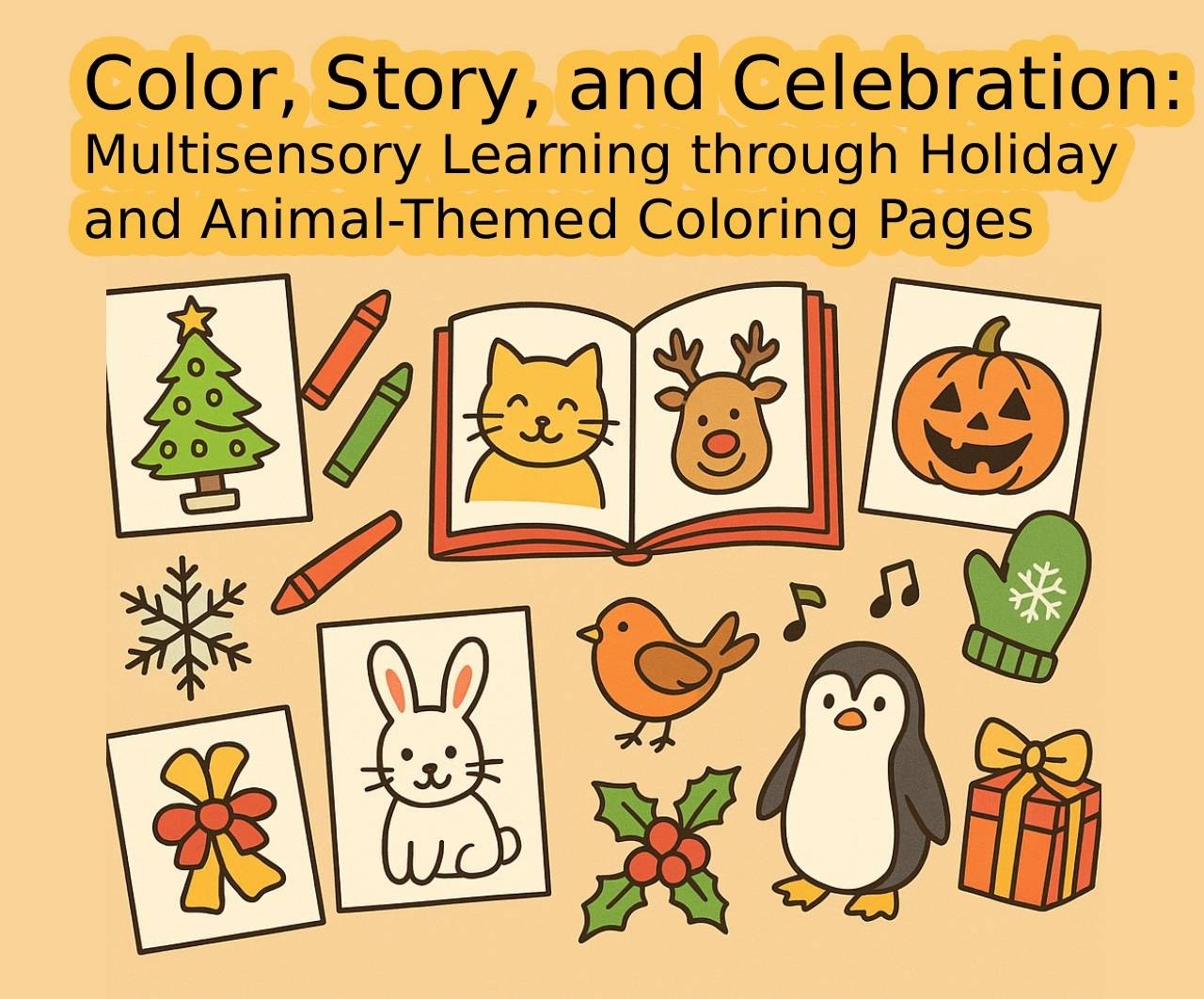
In today’s world of early education, engaging tools that combine creativity with cognitive development are more essential than ever. That’s why thoughtfully designed resources like childrens colouring pages, beloved classics such as the brown bear book, and themed activities from an easter coloring book are gaining traction among parents, teachers, and caregivers. These vibrant, hands-on materials don’t just entertain—they enhance how children process language, themes, and emotional connection through color, storytelling, and repetition. Know more..
The Power of Multisensory Learning
Multisensory learning is the gold standard in early childhood education. It emphasizes engaging multiple senses—sight, touch, sound, and sometimes even movement—to help children retain and understand new concepts more deeply. Coloring pages, especially those themed around holidays or animals, tap into this method naturally.
A child coloring a rabbit in an easter coloring book, for example, is not just learning about a seasonal celebration. They’re reinforcing the idea of spring, renewal, and tradition—all while strengthening fine motor skills and hand-eye coordination.
Similarly, when children engage with familiar literary characters from the brown bear book, they aren’t just practicing vocabulary. They’re building a rhythm of language, associating color with meaning, and participating in a sequence-based learning experience that supports early literacy.
Why Themed Coloring Pages Matter
Children thrive on pattern, repetition, and thematic connection. Whether it’s a bunny from an easter coloring book or the iconic bear from the brown bear book, these recognizable symbols create emotional comfort. They also provide a framework for understanding abstract concepts—like the passage of time during holidays, or animal characteristics like size, color, and sound.
Childrens colouring pages that are specifically designed around holidays and books offer the dual benefit of structure and exploration. They anchor children with visual cues while still leaving plenty of room for imagination. This balance is essential in developing both cognitive flexibility and academic readiness.
Learning Through Characters: The Enduring Charm of Brown Bear
Eric Carle’s brown bear book (“Brown Bear, Brown Bear, What Do You See?”) is a timeless classic, revered in classrooms and homes for its rhythmic narrative and vivid illustrations. Its influence on literacy and early speech development is well documented.
Incorporating coloring pages based on this classic takes the engagement one step further. Children can now interact directly with the characters—coloring a red bird or a green frog as they echo the story aloud. This creates a natural loop of visual, auditory, and tactile learning.
Moreover, repetition of character names, animal traits, and color associations turns passive listening into active discovery. And for wholesalers and OEM partners, creating printables inspired by these literary classics presents a major opportunity to cater to both educators and at-home learners.
Seasonal Learning with Easter Themes
Themed content tied to holidays like Easter holds particular educational value. A well-curated easter coloring book can open doors to lessons about nature, tradition, and symbolism. Whether it’s chicks, baskets, or eggs, these familiar visuals offer a playful entry point into deeper comprehension skills.
Coloring an Easter egg, for example, allows children to explore symmetry, design, and pattern. Coloring a lamb might segue into a discussion on animal families or farm life. The seasonal tie-in makes the material timely, while the coloring activity keeps it developmentally appropriate and engaging.
By offering themed childrens colouring pages, educators are able to align curriculum with the calendar year, creating consistency and context that children intuitively grasp.
Combining Story and Celebration
One powerful strategy in curriculum development is combining literary favorites with holiday themes. Imagine a classroom week that opens with the brown bear book, follows with animal-themed coloring pages, and ends with an easter coloring book session. This narrative arc allows children to move from story to real-world connection and back again—an approach that builds both comprehension and excitement.
Parents and teachers alike can use this method to:
- Introduce vocabulary and repetition through story
- Reinforce concepts like color, animal sounds, and sequence through coloring
- Transition smoothly into seasonal discussion, using imagery from Easter celebrations
This kind of progression supports the natural learning rhythms of young children while building emotional continuity and confidence.
The Developmental Benefits of Coloring
Let’s talk science. Studies show that childrens colouring pages don’t just build creative expression—they also support several key developmental areas:
- Fine motor coordination: Coloring strengthens the small muscles in the hands and wrists, important for writing.
- Concentration and patience: Completing a page takes time and focus, fostering self-discipline.
- Color theory and visual processing: Kids learn to associate colors with emotions, objects, and symbolic meaning.
- Cognitive sequencing: Activities tied to stories or holidays help children anticipate what comes next.
By integrating these pages into regular learning sessions, educators make development visible. They also offer parents tangible progress markers to celebrate at home.
OEM Opportunity: Coloring as Custom Content
For businesses in the OEM and wholesale space, the growing demand for childrens colouring pages offers a clear signal: educators and caregivers are looking for high-quality, printable resources that combine fun with learning.
From printable packs to bound easter coloring book collections or animal-themed bundles inspired by the brown bear book, there’s room to create highly customizable, educational content that adds real value. These resources aren’t just passive entertainment—they’re strategic learning aids.
OEMs have the chance to co-brand with schools, retailers, or influencers, offering customized sets that follow curriculum standards or cultural themes. Seasonal packs or story-themed editions can be bundled for gift sets, retail end-caps, or educational kits, adding value across multiple market channels.
Accessibility and Inclusion in Design
Inclusive design should be at the heart of any educational resource. That means offering childrens colouring pages that feature diverse characters, varied cultural holidays, and sensory-friendly visuals.
For example, an easter coloring book could feature not just traditional Easter symbols, but also spring scenes from different global traditions. Pages inspired by the brown bear book could be adapted for visual learners or children with developmental delays by simplifying outlines or offering texture-based printable formats.
This attention to inclusion ensures that all children, regardless of ability or background, benefit from the joy and developmental richness of themed coloring.
The Role of Parents and Teachers
Coloring isn’t just for classrooms. Parents play a pivotal role in making these learning moments impactful at home. By combining storytime with coloring sessions—perhaps reading the brown bear book and then coloring each character after—they extend the learning beyond the school day.
Teachers, on the other hand, can use childrens colouring pages to anchor lessons, provide quiet transitions, or support independent work. Pages from an easter coloring book can serve as morning work during spring or as a take-home activity pack before break.
Both environments benefit when coloring becomes part of the learning toolkit—not just as a break, but as a meaningful moment of multisensory development.
Final Thoughts
Coloring is more than a pastime. It’s a language. It tells stories, builds confidence, and teaches critical concepts in a way that’s organic to how children naturally learn. Whether inspired by the brown bear book, embedded in a seasonal easter coloring book, or crafted as custom childrens colouring pages, these tools offer far more than meets the eye.
For OEM producers and wholesale companies, this represents not just a product category, but a purpose: supporting the next generation of learners through hands-on, heartfelt educational design.